
Introduction
Choosing an artificial Christmas tree can be harder than it looks.
There are hundreds of options available in different heights, widths, shapes, materials, lighting styles, and price ranges. A tree that looks perfect in a product photo may not be the right choice for your living room, apartment, or decorating style.
The good news is that you do not need to compare every artificial Christmas tree available. You mainly need to understand a few important differences and decide which features matter most to you.
This guide explains how to choose an artificial Christmas tree based on size, shape, material, lighting, branch tips, assembly, storage, budget, and intended use.
We also use several Christmas tree examples from XmasDecor to show how different designs can fit different needs.
Quick Answer: How Do You Choose the Right Artificial Christmas Tree?
For most shoppers, start with these six questions:
- How much space do you have?
- What tree height and width will fit that space?
- Do you want a full, slim, or pencil-shaped tree?
- Do you want a pre-lit or unlit tree?
- Do you prefer traditional PVC branches or a more realistic PE/mixed construction?
- What is your budget?
If you answer these questions first, it becomes much easier to narrow down your options.
For example:
- A small apartment may work better with a 6-foot slim or pencil tree.
- A typical living room may have enough space for a 6-foot or 7.5-foot full tree.
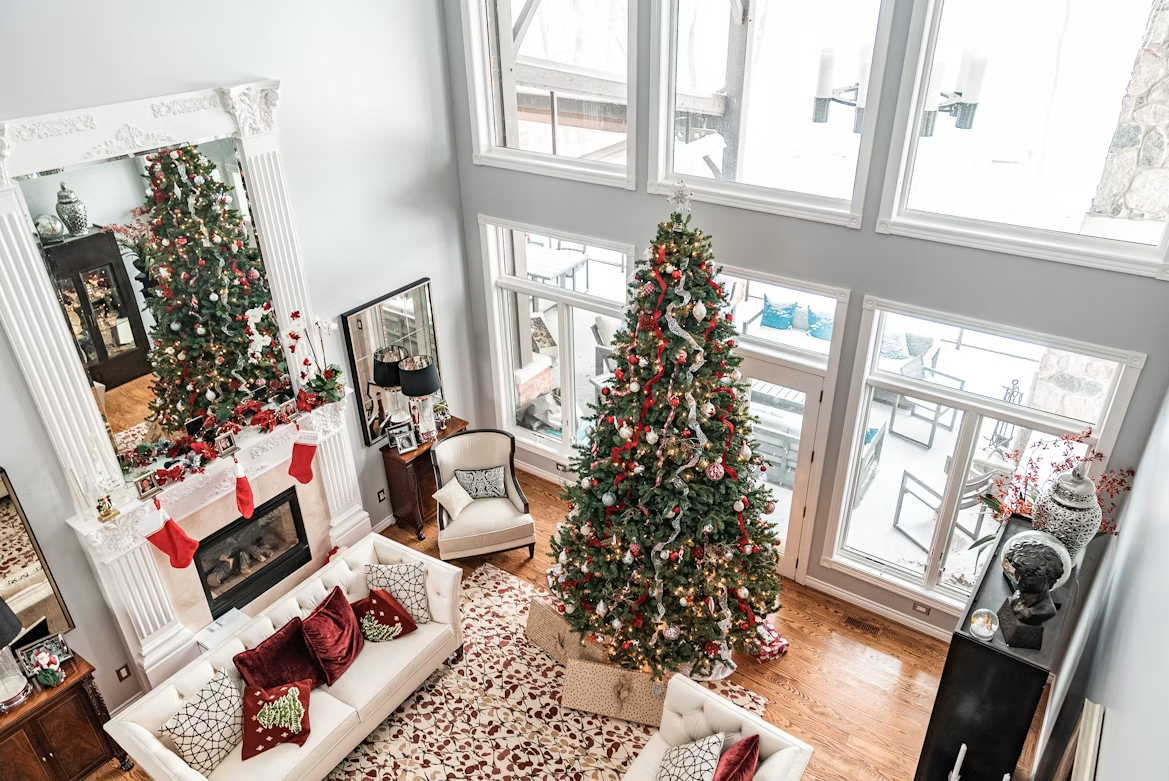
- A larger room with high ceilings may suit a 7.5-foot or taller tree.
- If you want faster setup, a pre-lit Christmas tree can be convenient.
- If you want complete control over lights and decorations, an unlit tree may be preferable.
- If appearance and branch realism are your priorities, look for PE or mixed PE/PVC construction.
- If price is your main concern, a PVC artificial tree can offer a more budget-friendly option.
The rest of this guide explains how to make that decision in more detail.
1. Start With the Space Where You Will Put the Tree
Before looking at product features, measure your available space.
This is one of the most important steps when choosing an artificial Christmas tree.
A tree's height is obvious, but many shoppers forget about its width or diameter. A 7.5-foot tree can fit vertically in a room while still taking up much more floor space than expected.
Measure:
- Ceiling height
- Available floor width
- Distance from walls and furniture
- Space around the tree for gifts and decorations
- Distance from doors, walkways, and heating vents
You should also leave some clearance above the tree.
If your ceiling is approximately 8 feet high, for example, a 7.5-foot tree may leave very little room for a topper or extra clearance.
Do not choose a tree based only on height
Two trees can both be 7.5 feet tall but have very different footprints.
A traditional full tree may be around 50–60 inches wide, while a pencil tree can be only around 30 inches wide.
That difference can be extremely important in:
- Apartments
- Condos
- Small living rooms
- Bedrooms
- Entryways
- Narrow corners
2. Choose the Right Christmas Tree Height
Artificial Christmas trees commonly come in several height ranges.
4–5 Foot Trees
These are useful for:
- Bedrooms
- Small apartments
- Entry tables
- Children's rooms
- Offices
- Small living areas
They are also easier to move and store.
If you have limited floor space, a smaller tree may be more practical than trying to fit a full-size tree into the room.
6 Foot Trees
A 6-foot artificial Christmas tree is one of the most versatile options.
It can work well in:
- Apartments
- Smaller living rooms
- Bedrooms
- Offices
- Homes with lower ceilings
Several trees in the XmasDecor collection use a 6-foot format, including traditional, pre-lit, flocked, and budget-oriented designs.
For many shoppers, 6 feet provides a good balance between visual presence and manageable size.
7.5 Foot Trees
A 7.5-foot Christmas tree is a popular choice for larger living rooms and homes with standard-to-taller ceilings.
It provides a more traditional full-size Christmas tree appearance without moving into the very tall 9-foot-plus category.
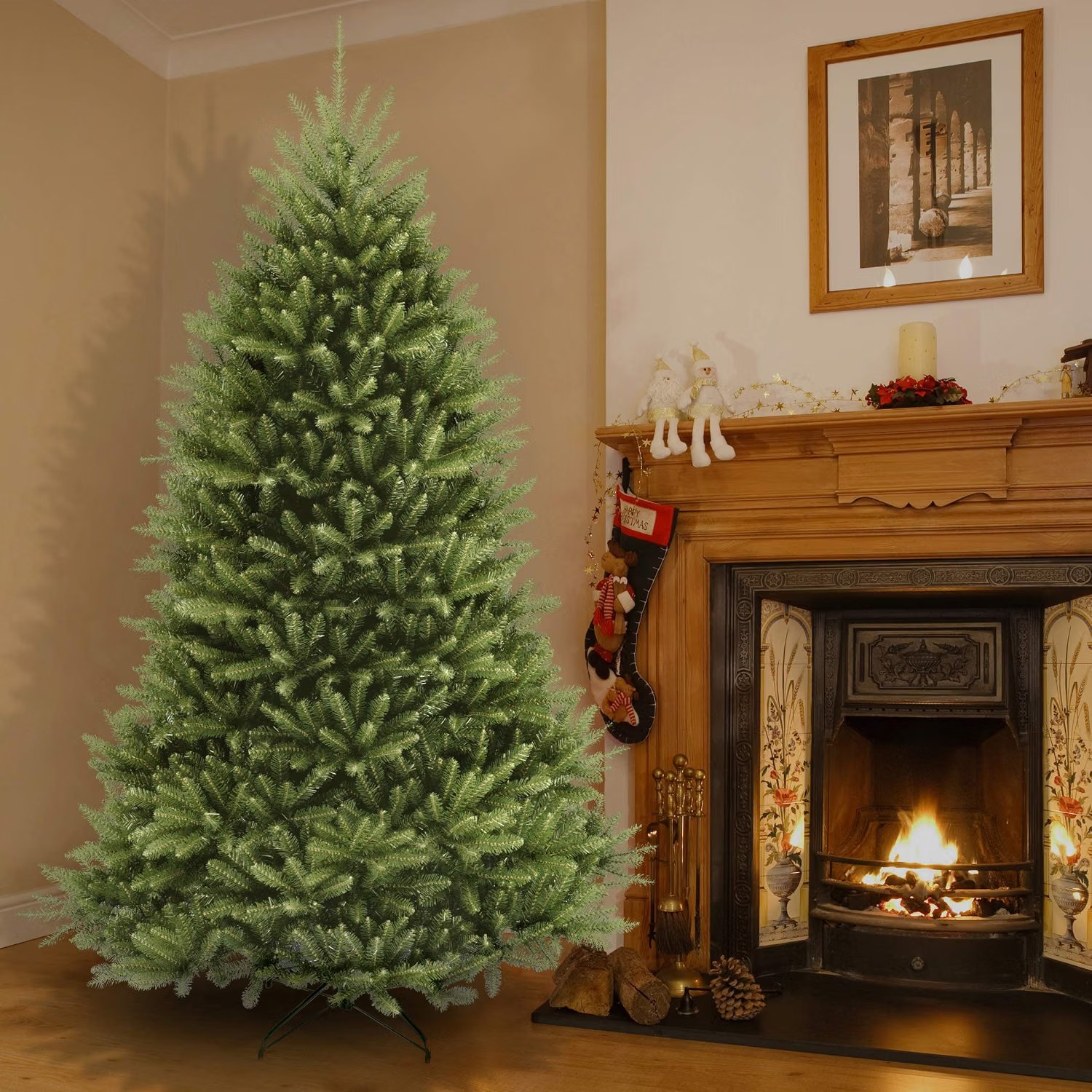
For example, the National Tree Company Dunhill Fir is a 7.5-foot unlit artificial Christmas tree with a traditional full profile.
9 Foot and Taller Trees
Tall artificial Christmas trees can make a strong visual statement in rooms with:
- High ceilings
- Large open spaces
- Large living rooms
- Entryways
- Commercial spaces
However, height is not the only consideration.
A tall tree can also have a large diameter, so check the manufacturer's listed width before buying.
3. Don't Forget the Tree's Width
Tree width is just as important as height when choosing an artificial Christmas tree.
Manufacturers may describe width as:
- Diameter
- Width
- Tree diameter
- Full width
A full-profile tree can require considerably more floor space than a slim or pencil tree of the same height.
Full Trees
Full trees have a wider, traditional Christmas tree shape.
They are suitable when:
- You have plenty of floor space
- You want a classic Christmas appearance
- You plan to use many ornaments
- You want the tree to be a major focal point
Slim Trees
Slim trees provide a narrower profile while retaining a fairly traditional appearance.
They can work well in:
- Smaller living rooms
- Corners
- Apartments
- Narrow spaces
Pencil Trees
Pencil trees are significantly narrower.
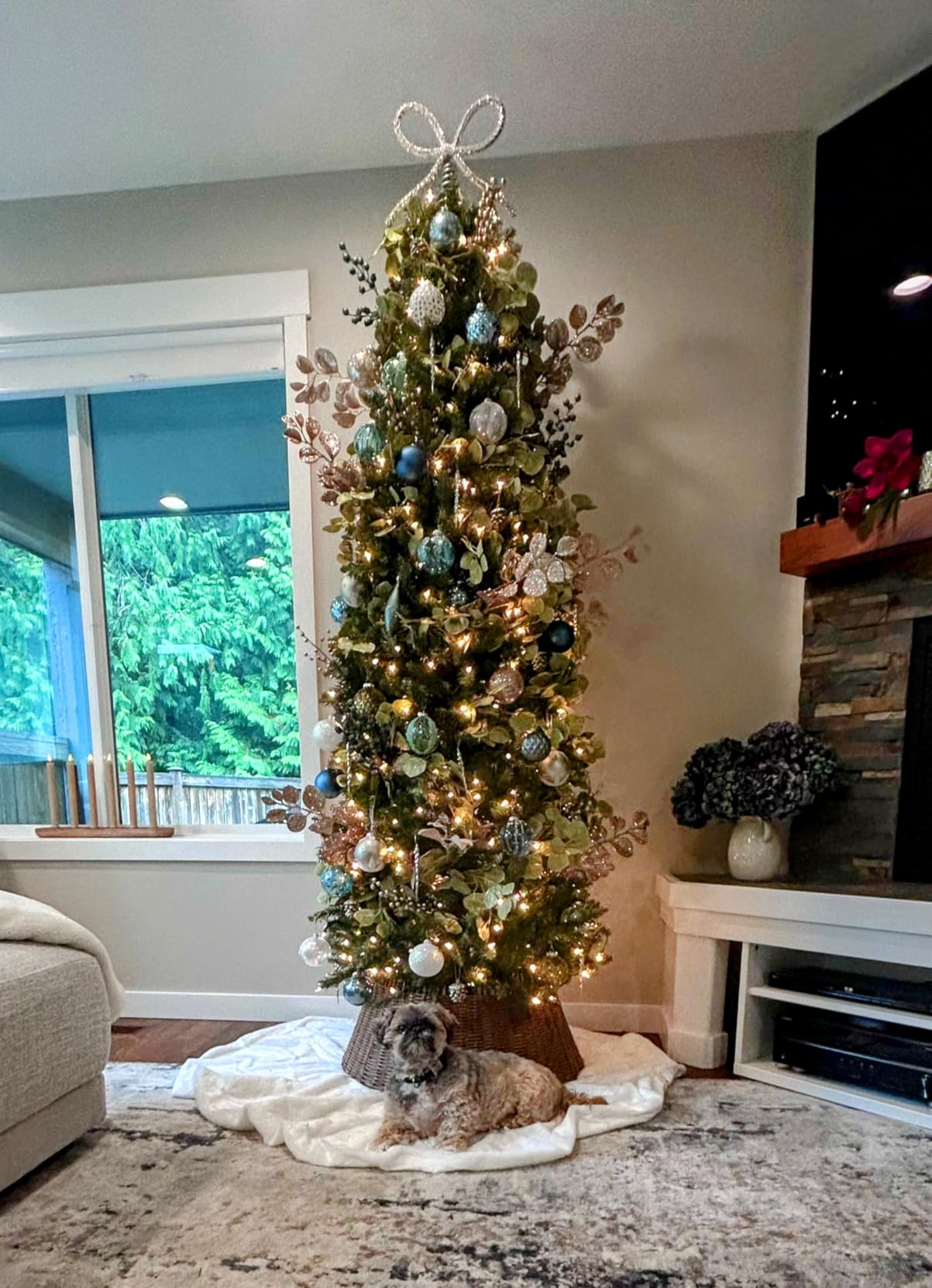
For example, the Puleo International 7.5ft Pre-Lit Fraser Fir Pencil Christmas Tree is approximately 30 inches in diameter.
That makes it very different from a traditional full 7.5-foot tree.
If floor space is limited, comparing width may be more important than comparing price.
4. Choose Between Pre-Lit and Unlit Christmas Trees
One of the biggest decisions is whether to buy a pre-lit or unlit artificial Christmas tree.
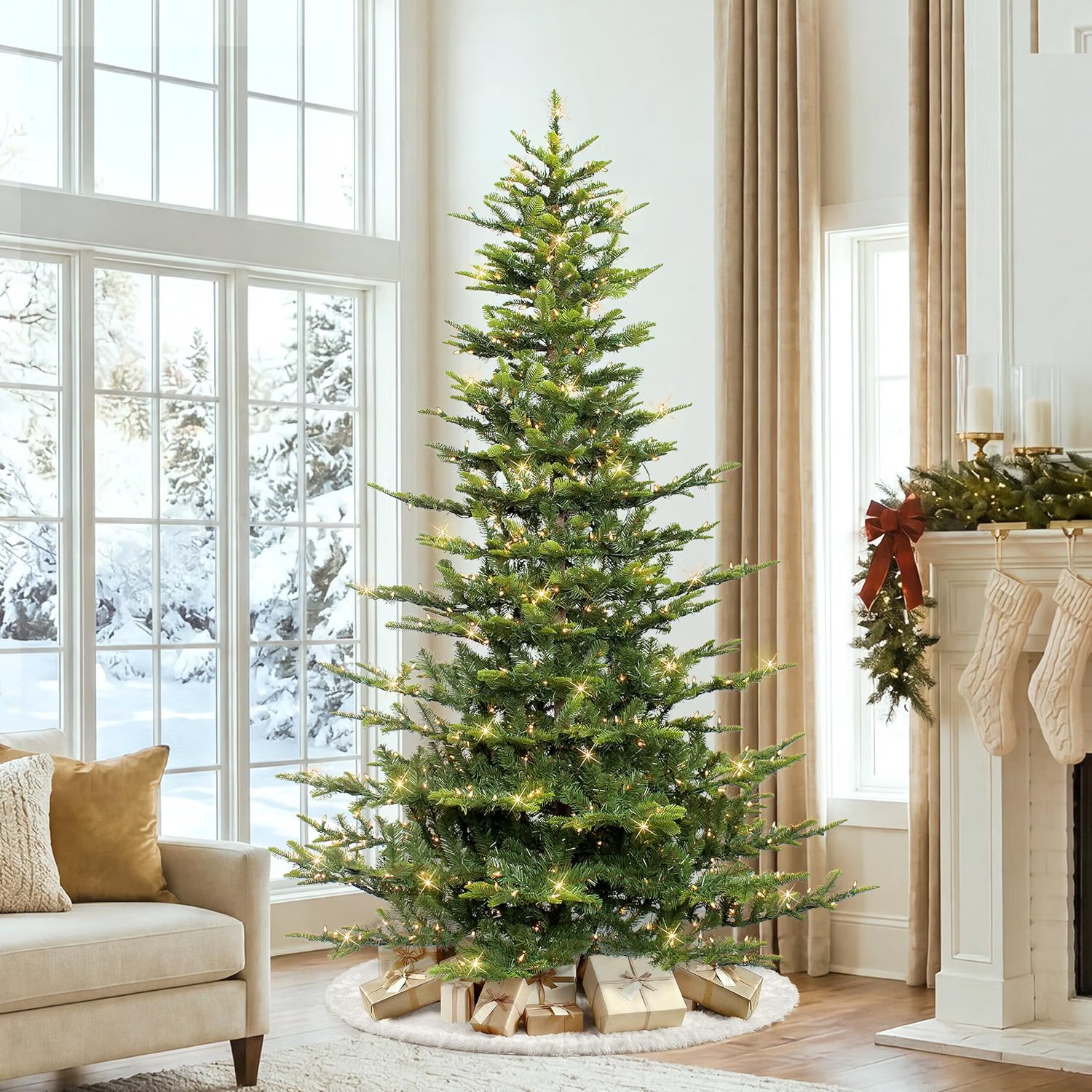
Pre-Lit Christmas Trees
Pre-lit trees come with lights already installed.
Advantages:
- Faster setup
- Less time wrapping lights around branches
- More consistent light distribution
- Convenient for people who decorate every year
- Some models include multiple lighting modes or remote controls
For example, some pre-lit trees in the XmasDecor collection include hundreds of pre-installed lights.
The Puleo International 7.5ft Pre-Lit Aspen Fir includes 700 UL-certified warm white lights.
The YITAHOME 6ft Pre-Lit Spruce includes 250 lights and multiple lighting modes.
These are examples of how pre-lit trees can offer very different lighting systems.
Potential disadvantages:
Pre-lit trees can be less flexible if you want to completely change the lighting design.
You also need to pay attention to:
- Number of lights
- Light color
- Lighting modes
- Replacement bulbs or lighting components
- Warranty coverage
- How the lighting system is connected
Unlit Christmas Trees
Unlit trees give you complete control over the lights.
Advantages:
- Choose your own lights
- Change lighting styles every year
- Easier to customize
- No built-in lighting system to consider
The National Tree Company 7.5ft Dunhill Fir, for example, is an unlit traditional-style tree.
Unlit trees can be a good option if decorating the tree is part of the Christmas experience for you.
Which Should You Choose?
Choose pre-lit if convenience and fast setup are important.
Choose unlit if you want maximum flexibility and enjoy choosing your own Christmas lights.
For a more detailed comparison, see: Pre-Lit vs. Unlit Christmas Trees: Which One Should You Choose?
5. Understand PVC vs. PE Christmas Tree Branches
The materials used in artificial Christmas trees have a major effect on appearance, price, and construction.
The two terms you will frequently see are PVC and PE.
PVC
PVC is widely used in artificial Christmas trees.
PVC branches can help create a dense appearance and are commonly found in affordable and mid-range trees.
Advantages can include:
- Lower price
- Dense appearance
- Wide availability
- Lightweight construction in many models
A PVC tree can be a practical choice if you want a traditional artificial tree without paying for a more realistic molded-branch construction.
PE
PE branches are molded to create shapes that more closely resemble natural evergreen branches.
They are often used on higher-priced artificial trees.
Advantages can include:
- More realistic branch shapes
- More three-dimensional appearance
- More natural-looking branch structure
However, PE construction often comes with a higher price.
Mixed PE/PVC
Some artificial trees combine both materials.
This can provide a balance between appearance and cost.
For example, some flocked and more premium-looking trees use a mixture of PE and PVC tips.
Which Material Is Right for You?
If budget is your main priority: PVC may be enough.
If realistic appearance is more important: Consider PE or mixed PE/PVC construction.
6. Look at the Number of Branch Tips
Product listings often mention the number of branch tips.
For example:
- 800 tips
- 1,000 tips
- 1,300 tips
- 2,000+ tips
A higher number can contribute to a fuller appearance, but tip count should not be used alone to judge a tree.
Branch design, material, tree width, and construction also affect the final appearance.
For example, a narrow pencil tree may have fewer tips than a wide full tree while still looking appropriately dense for its design.
When comparing two trees, consider:
- Tip count
- Tree width
- Branch material
- Branch shape
- Overall profile
rather than simply choosing the tree with the largest number.
7. Decide Between Flocked and Unflocked Trees
Flocked Christmas trees have artificial snow applied to the branches. They create a winter or snowy appearance.
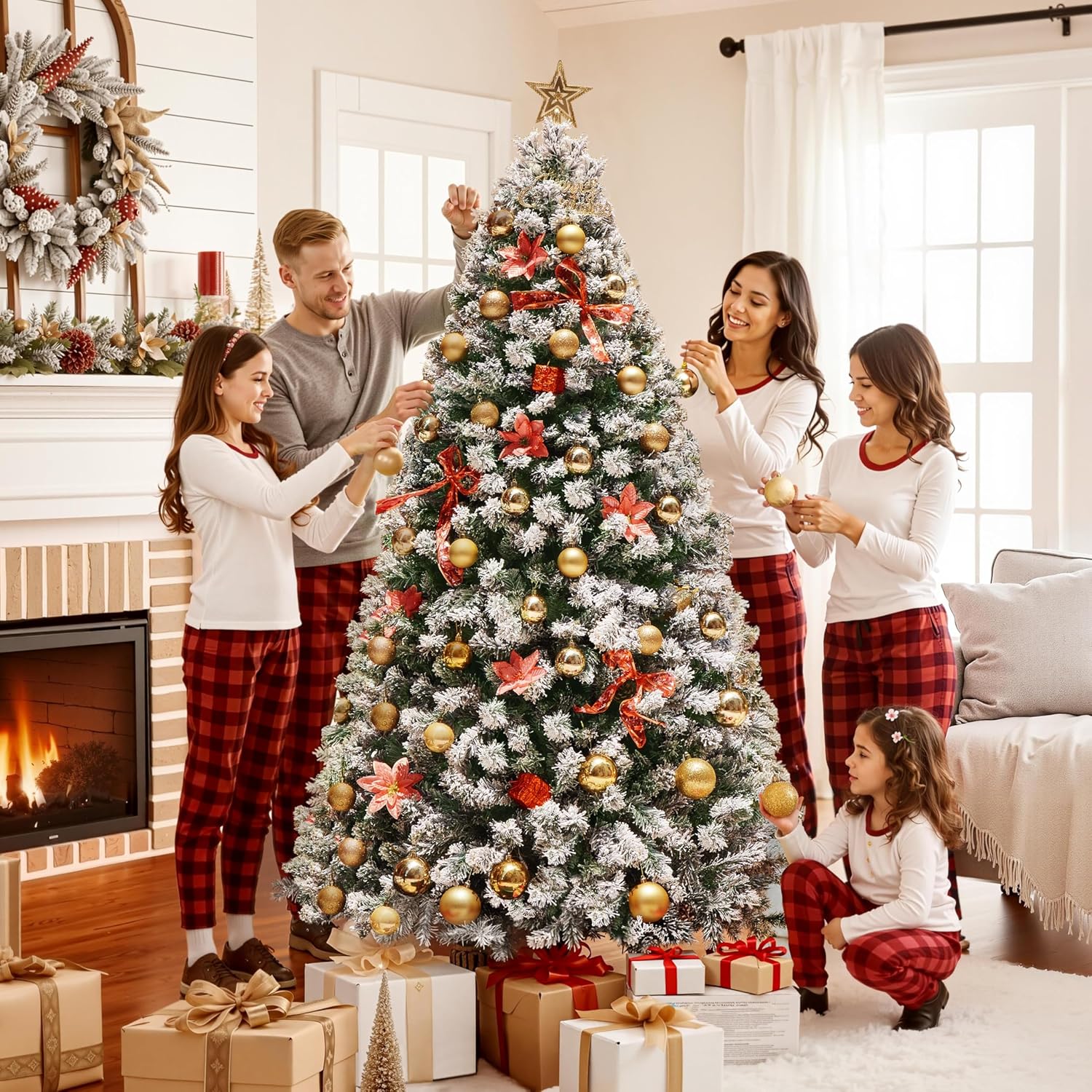
Flocked Trees
A flocked tree may be a good choice if you want:
- A snowy Christmas theme
- A winter-wonderland look
- A softer white-and-green appearance
- Less emphasis on traditional green foliage
For example, the Yaheetech 6ft Pre-Lit Snow Flocked Artificial Christmas Tree combines flocked branches with 250 warm white lights.
The product is available in multiple height options, making it an example of how the same general style can serve different room sizes.
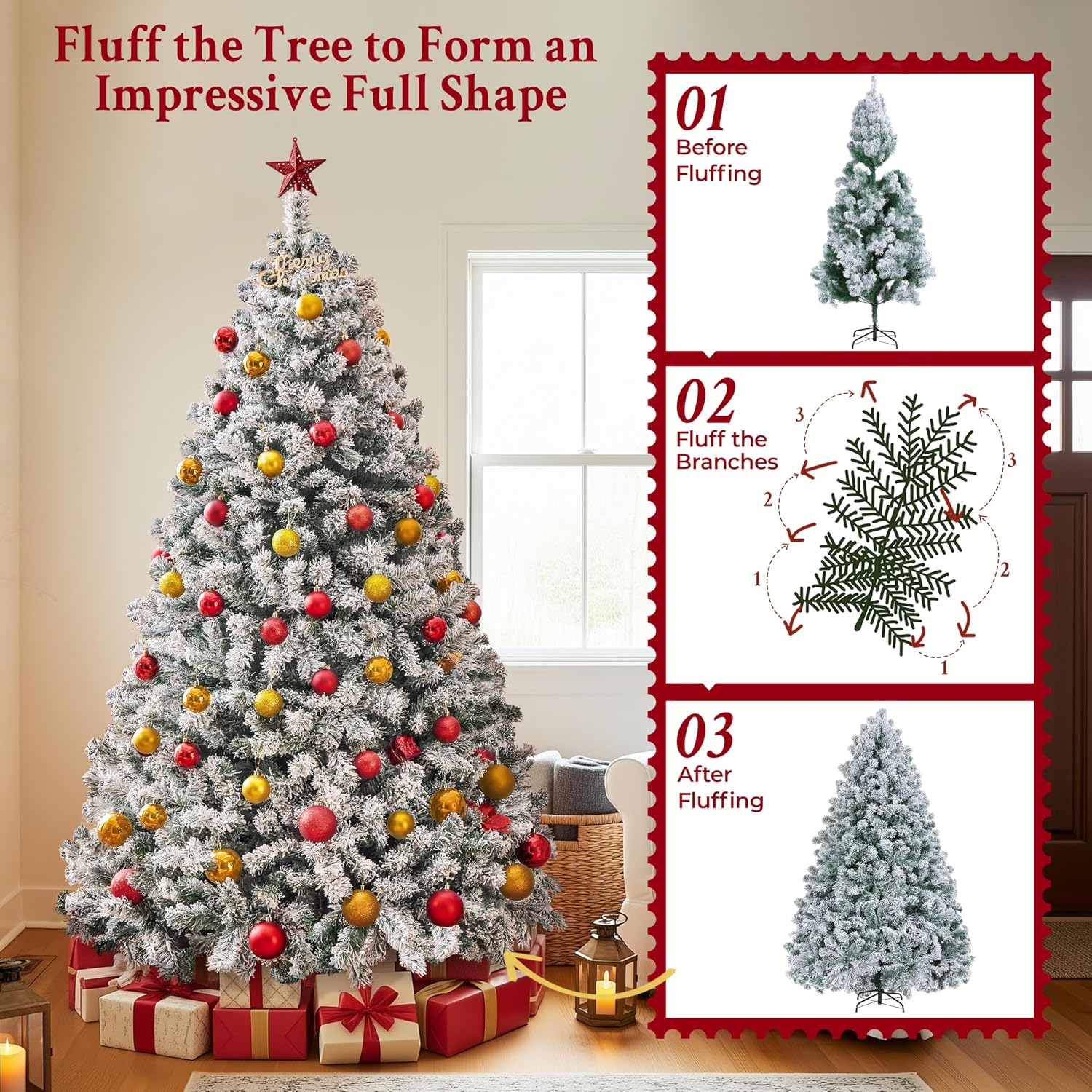
One consideration is that flocking can shed, especially when the tree is first unpacked and assembled.
Unflocked Trees
Unflocked trees provide the traditional green Christmas tree appearance.
They are usually easier to combine with a wide variety of decorating styles.
Which One Should You Choose?
Choose flocked if the snowy appearance is an important part of your Christmas décor.
Choose unflocked if you prefer a classic green tree or want maximum flexibility with decorations.
8. Think About How Much Decorating You Plan to Do
Your decorating style should influence the tree you choose.
If you use:
- Large ornaments
- Heavy decorations
- Lots of garlands
- Ribbon
- Large Christmas lights
you may want a tree with sturdy branches and enough space between branches for decorations.
If you prefer a minimalist style, you may not need an extremely dense tree.
A very dense tree can look impressive by itself, while a more open tree can make ornaments more visible.
There is no universal "best" branch density. It depends on whether you want the tree itself to be the main visual feature or want your decorations to stand out.
9. Consider Assembly and Storage
Artificial Christmas trees are reusable, but you still need to assemble them every Christmas and store them afterward.
Look for:
- Hinged branches
- Sectioned trunks
- Clearly labeled sections
- Foldable stands
- A manageable weight
- Storage-friendly dimensions
Many modern artificial Christmas trees use a three-section construction.
This makes the tree easier to assemble than older designs where every branch had to be attached individually.
Storage Matters More Than You Think
Before buying a large tree, think about where it will be stored from January through November.
You may need space for:
- Tree sections
- Stand
- Original packaging or storage bag
- Additional decorations
A 7.5-foot full tree can be impressive during December but inconvenient if you have limited storage space.
If storage is difficult, a smaller or narrower tree may make more sense.
10. Check the Stand and Base
The tree stand is easy to overlook. However, the stand affects stability and setup.
Common materials include:
- Steel
- Iron
- Metal
Some stands are foldable, which makes storage easier.
When comparing trees, check:
- Stand construction
- Base diameter
- Whether the stand is included
- Whether the stand folds
- Whether the tree sections fit securely into the stand
For taller trees, stability becomes particularly important.
11. Set a Realistic Budget
Artificial Christmas trees are available across a very wide price range.
A lower-priced tree may provide the basic features you need:
- PVC branches
- Simple metal stand
- Unlit construction
- Standard hinged sections
A more expensive tree may offer:
- PE or mixed PE/PVC construction
- More detailed branch designs
- Pre-installed lighting
- More lights
- Multiple lighting modes
- Better warranty coverage
- More premium appearance
Don't Automatically Buy the Most Expensive Tree
The most expensive tree is not necessarily the best match for your needs. Instead, decide which features matter most.
For example:
Budget priority — Look for a reasonably priced PVC tree with the right height and width.
Convenience priority — Consider a pre-lit tree.
Appearance priority — Look for PE or mixed PE/PVC construction.
Small-space priority — Focus on width and profile rather than simply looking for the tallest tree.
12. Check Customer Reviews — But Read Them Carefully
Customer ratings can provide useful information when shopping for an artificial Christmas tree.
However, do not look only at the star rating.
Read reviews for recurring comments about:
- Branch fullness
- Flocking
- Assembly
- Missing parts
- Light performance
- Stability
- Size accuracy
- Packaging
- Storage
- Appearance after branches are shaped
One or two negative reviews do not necessarily mean a product is poor. Instead, look for patterns across many customer reviews.
Also remember that customer experiences can vary, and product listings may change over time.
13. Pay Attention to Warranty Information
Warranty coverage can be particularly useful for artificial Christmas trees because you may use the product for many years.
Some manufacturers offer different warranty periods for:
- The tree itself
- Pre-installed lights
- Other components
For example, some Puleo International trees list separate warranty periods for the tree and lighting system.
When comparing two similarly priced trees, warranty coverage can be one factor worth considering.
14. Choose the Tree Shape That Fits Your Home
Artificial Christmas trees generally fall into a few broad shape categories.
Full
Best for: Traditional living rooms, large spaces, classic Christmas décor.
Slim
Best for: Smaller rooms, corners, apartments.
Pencil
Best for: Very narrow spaces, entryways, small apartments, areas where floor space is limited.
Mini/Tabletop
Best for: Desks, tables, bedrooms, offices, small decorative spaces.
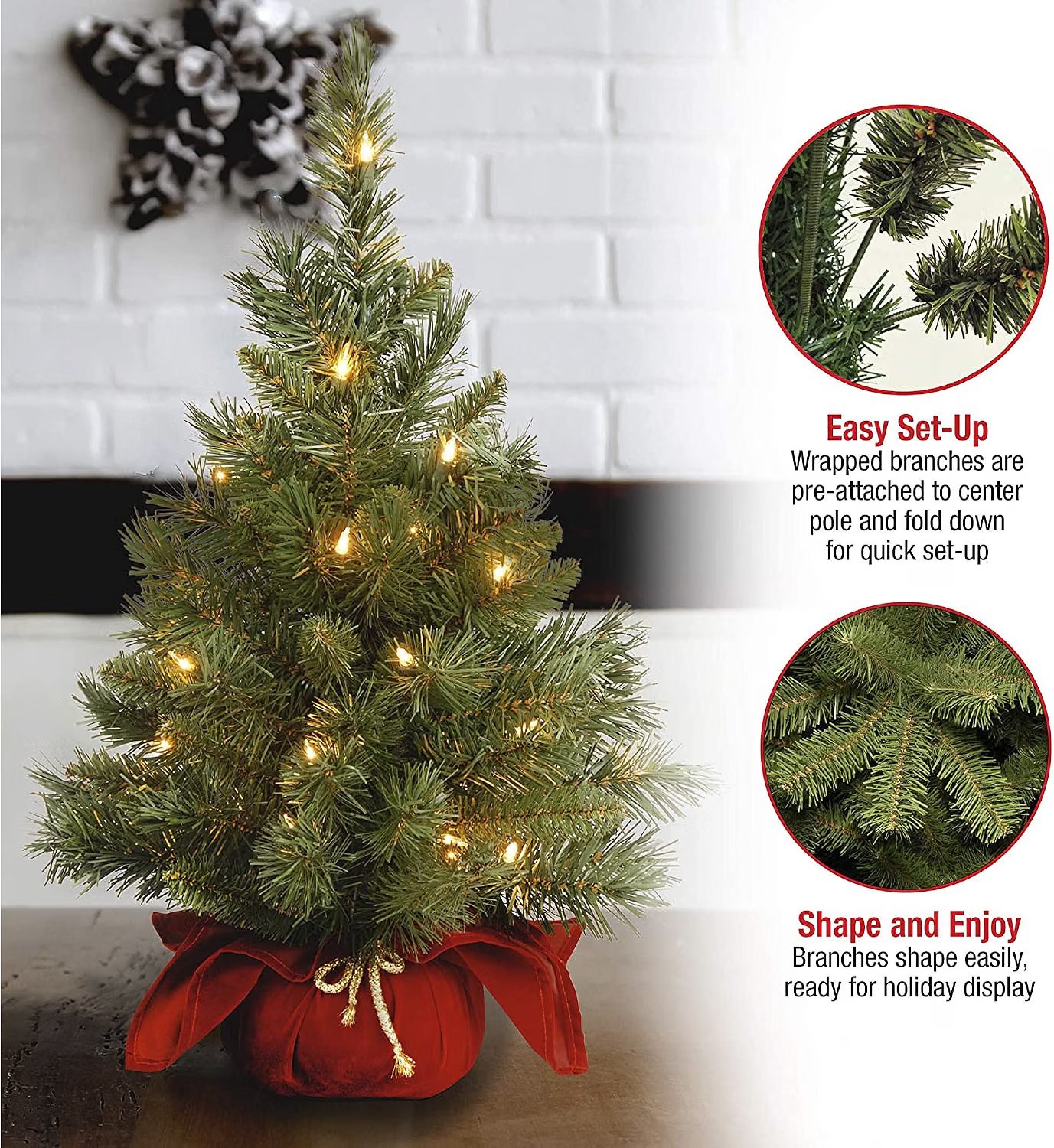
For example, the National Tree Company 24-inch Pre-Lit Majestic Fir Mini Christmas Tree is designed for small spaces rather than serving as a traditional full-size living-room tree.
This is why comparing products by "best" alone can be misleading. A 24-inch tabletop tree and a 7.5-foot living-room tree are designed for completely different situations.
15. What Size Christmas Tree Is Best for You?
Here is a simple starting point:
| Space / Situation | Suggested Tree Type |
|---|---|
| Desk or tabletop | 2–3 ft |
| Bedroom or small room | 4–6 ft |
| Apartment living room | 6 ft slim/full |
| Typical living room | 6–7.5 ft |
| Large living room | 7.5 ft full |
| High ceiling / large room | 9 ft+ |
| Narrow corner | Slim or pencil |
| Small decorative space | Mini/tabletop |
| Snowy Christmas theme | Flocked |
| Fast setup | Pre-lit |
| Maximum lighting flexibility | Unlit |
These are general guidelines rather than strict rules. Always check the exact dimensions of the tree before buying.
16. A Simple Christmas Tree Buying Checklist
Before purchasing an artificial Christmas tree, check these items:
Size
- Does the height fit the ceiling?
- Is there enough room for a tree topper?
- Does the width fit the available floor space?
Shape
- Full
- Slim
- Pencil
- Mini/tabletop
Material
- PVC
- PE
- Mixed PE/PVC
Lighting
- Pre-lit
- Unlit
- Warm white
- Multicolor
- Multiple lighting modes
Appearance
- Traditional green
- Flocked
- Realistic branch design
- Dense or open branch structure
Construction
- Hinged branches
- Number of sections
- Stand included
- Weight
- Storage requirements
Value
- Price
- Customer rating
- Number of customer reviews
- Warranty
- Intended use
17. Three Different Christmas Tree Examples
Rather than saying that one artificial Christmas tree is best for everyone, it is more useful to look at different use cases.
For a Traditional Full-Size Christmas Tree
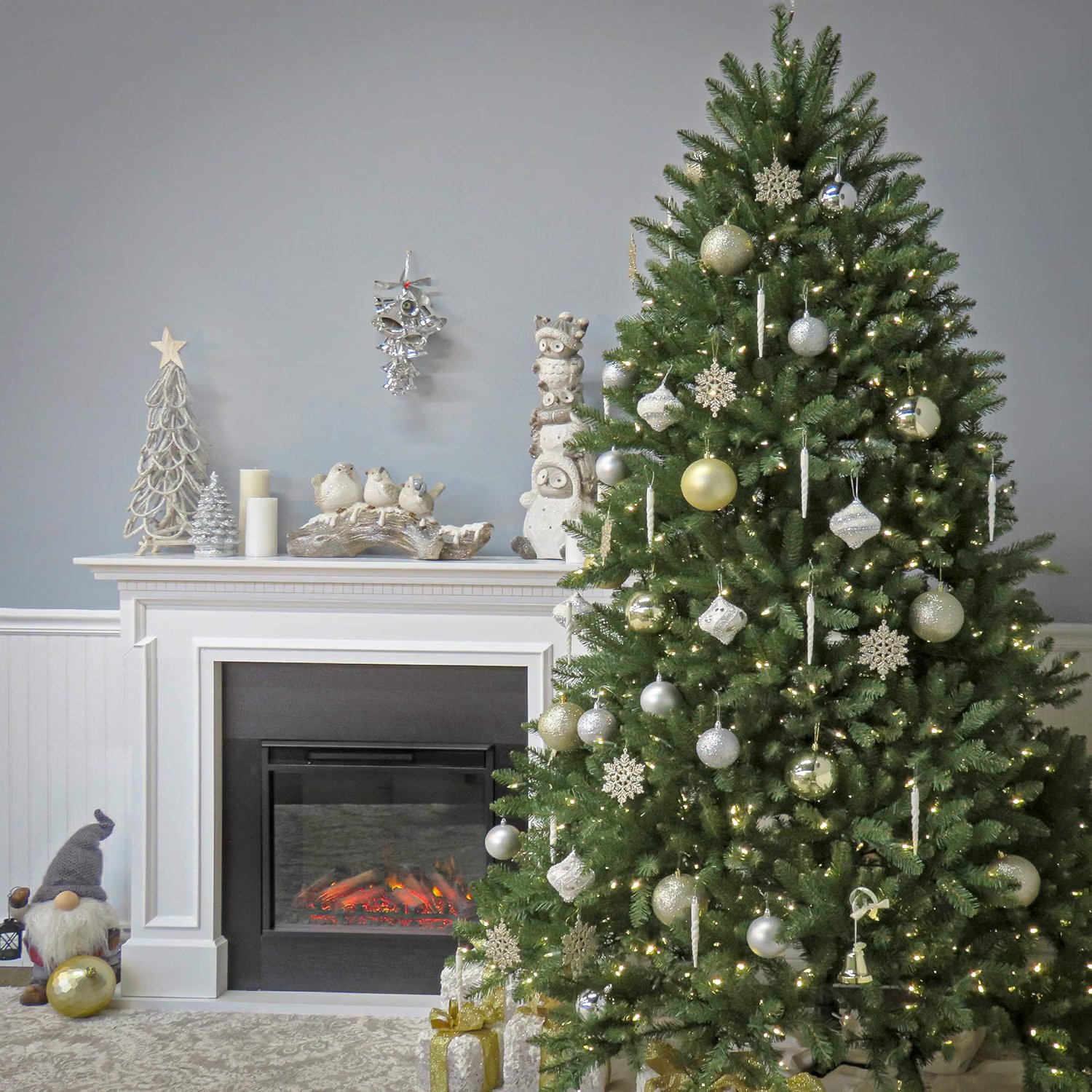
The National Tree Company 7.5ft Dunhill Fir is an example of a traditional full-size artificial Christmas tree.
It is unlit and uses a full profile, making it suitable for shoppers who want to choose and install their own Christmas lights.
This type of tree makes sense if you have enough floor space and prefer a classic Christmas tree appearance.
For a Narrow Space
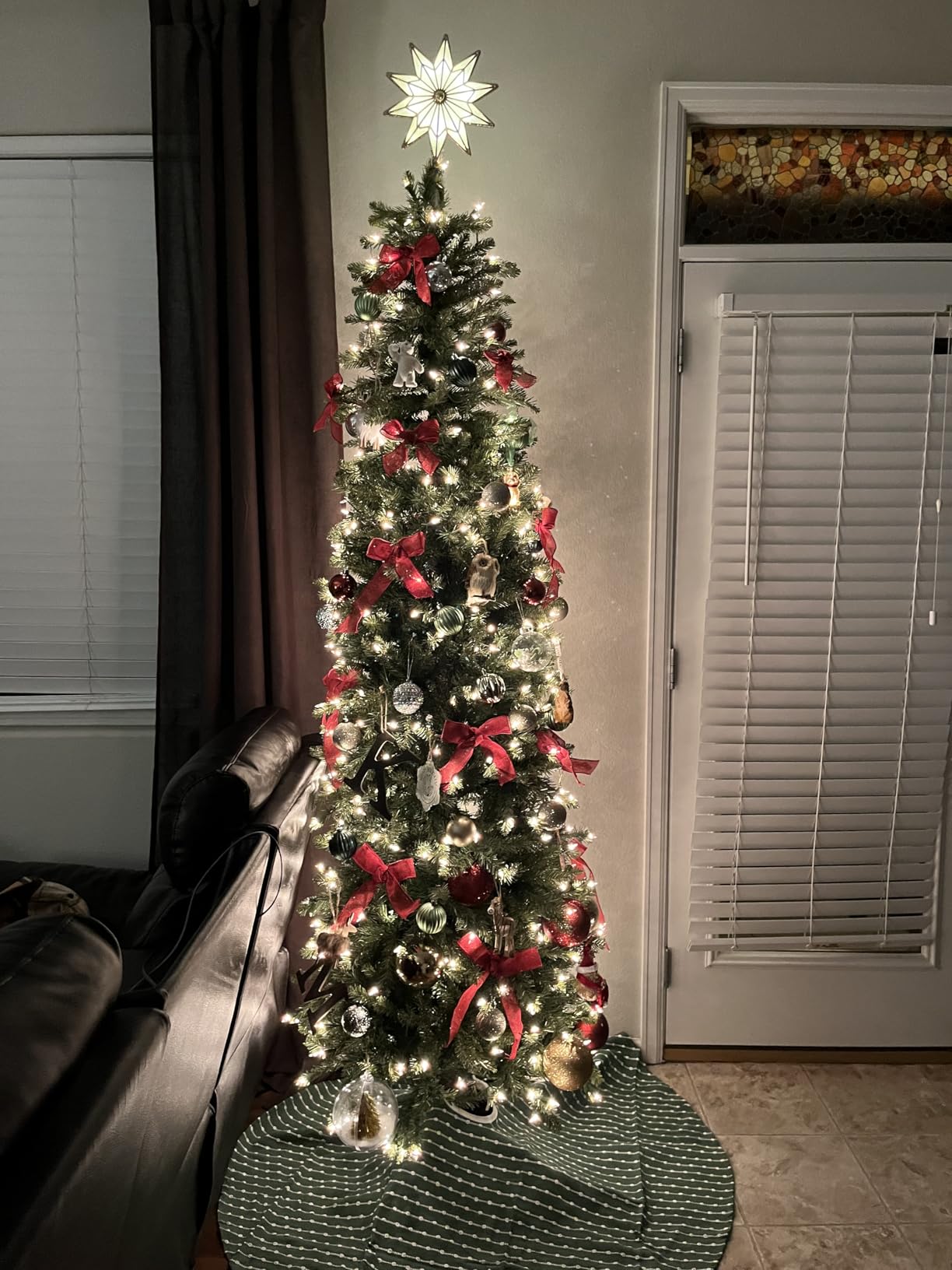
The Puleo International 7.5ft Pre-Lit Fraser Fir Pencil Christmas Tree has a much narrower profile than a traditional full tree.
Its approximately 30-inch diameter makes it particularly relevant to shoppers who want a tall tree without taking up as much floor space.
This illustrates an important point: When choosing a tree, height and width should always be considered together.
For a Snowy, Pre-Lit Look
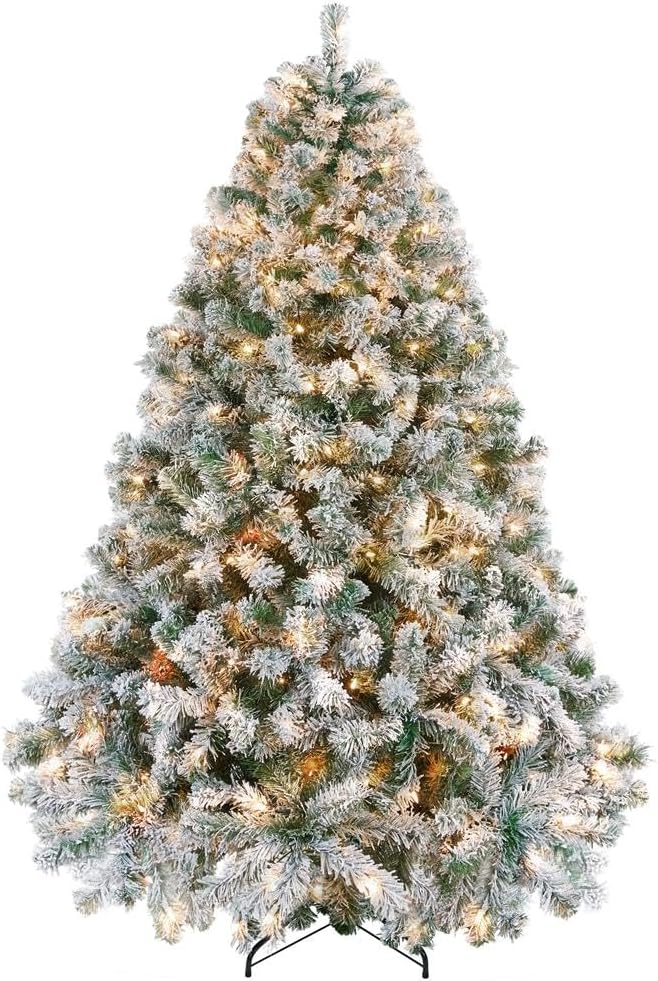
The Yaheetech 6ft Pre-Lit Snow Flocked Christmas Tree combines flocked branches with pre-installed warm white lights.
This type of tree can appeal to shoppers who want a winter-themed appearance without having to install Christmas lights separately.
18. Common Mistakes to Avoid
Mistake 1: Choosing the tallest tree that fits
A tree can fit vertically while being too wide for the room. Always check both height and diameter.
Mistake 2: Ignoring storage
Remember that you will need to store the tree for most of the year.
Mistake 3: Choosing based only on star rating
Read customer feedback and look for recurring patterns.
Mistake 4: Assuming more branch tips always means a better tree
Tip count should be considered together with material, width, branch structure, and overall design.
Mistake 5: Buying pre-lit without checking the lighting system
Check light count, color, modes, controls, and warranty information.
Mistake 6: Comparing only price
A cheaper tree may use different materials, have fewer features, or offer a different construction. Compare the features that actually matter to you.
Mistake 7: Buying a full tree for a narrow room
If floor space is limited, a slim or pencil tree can provide a much better fit.
19. How to Narrow Down Your Choices
If you are still unsure, use this simple decision process.
Step 1: Measure your space
Write down your maximum height and maximum width.
Step 2: Choose your shape
Do I have enough floor space for a full tree? If yes, consider a full profile. If no, consider slim or pencil.
Step 3: Choose lighting
Do I want to install Christmas lights myself? If no, consider pre-lit. If yes, consider unlit.
Step 4: Choose appearance
Do I want a traditional green tree or a snowy look? Traditional → unflocked. Snowy → flocked.
Step 5: Choose material
If price is more important → PVC may be sufficient. If realistic appearance is more important → consider PE or mixed PE/PVC.
Step 6: Set your budget
Compare trees within the same general size and style.
Step 7: Read customer feedback
Look for repeated comments rather than focusing on one review.
20. Final Thoughts: How to Choose an Artificial Christmas Tree
The best artificial Christmas tree is not necessarily the most expensive, tallest, fullest, or most heavily decorated option.
It is the tree that fits your space, decorating style, budget, and priorities.
For most shoppers, the decision can be simplified to these questions:
- How tall can the tree be?
- How wide can it be?
- Do I need a full, slim, pencil, or mini tree?
- Do I want pre-installed lights?
- Do I prefer PVC, PE, or mixed materials?
- Do I want a flocked or traditional green appearance?
- How much am I willing to spend?
Once you answer those questions, you can eliminate many unsuitable options before comparing individual products.
At XmasDecor, our goal is to make that process easier by organizing Christmas tree information around practical factors such as size, shape, lighting, materials, price, and intended use.
If you are ready to compare specific options, explore our Christmas Trees collection or continue with our detailed buying guides and product reviews.
Recommended Next Reads
Pre-Lit vs. Unlit Christmas Trees: Which One Should You Choose?
Compare setup, lighting flexibility, convenience, and other important differences between pre-lit and unlit Christmas trees.
Best Small Christmas Trees for Apartments and Small Spaces
Explore smaller Christmas tree options for apartments, bedrooms, offices, and other spaces with limited room.
Best 7.5-Foot Artificial Christmas Trees: 3 Top Picks Compared
A practical comparison for shoppers looking at full-size Christmas trees.
Related Products
National Tree Company 7.5ft Dunhill Fir
Traditional full-size unlit Christmas tree for shoppers who want to choose their own lights
$100 - $130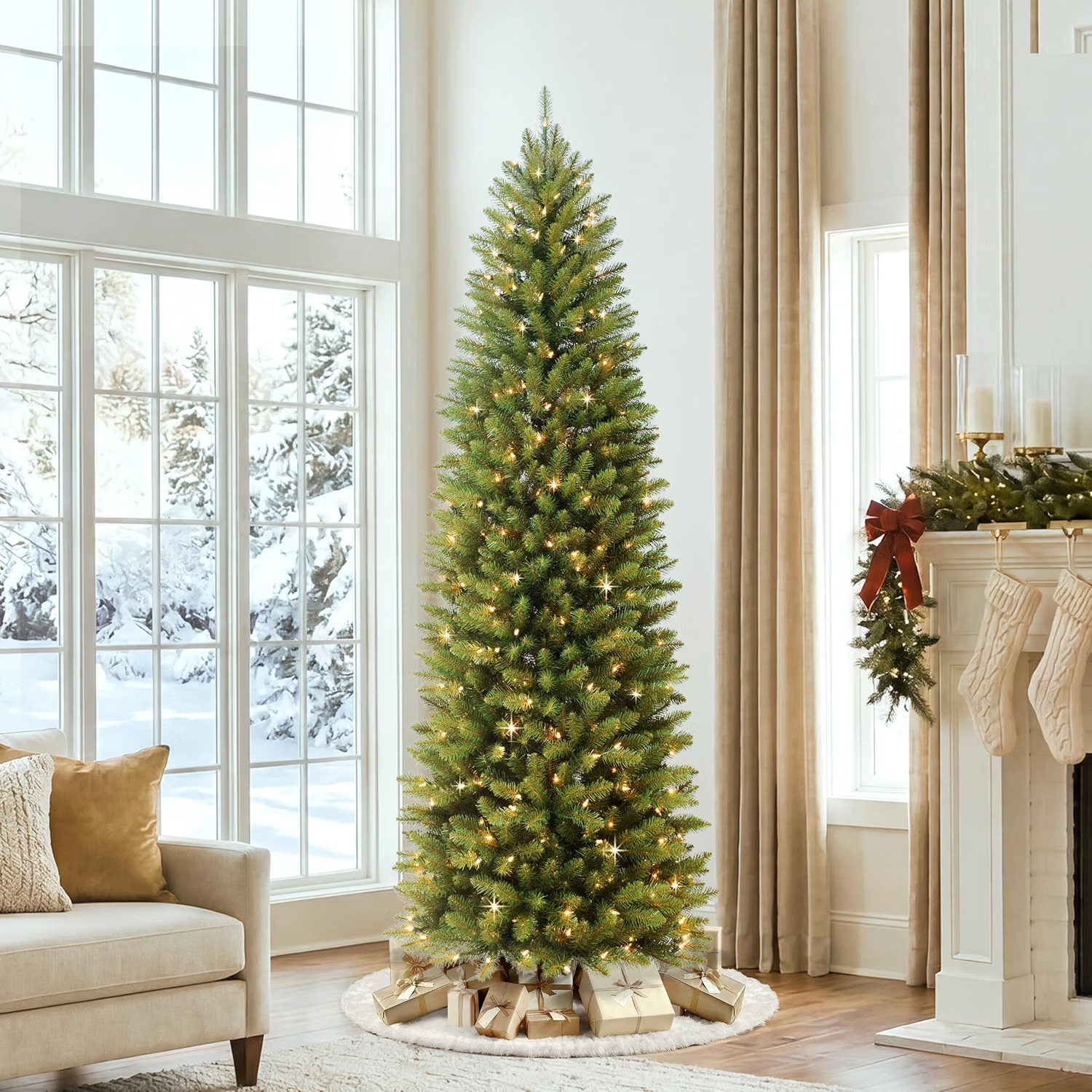
Puleo International 7.5ft Pre-Lit Fraser Fir Pencil
Narrow-profile pencil tree perfect for apartments and tight spaces
$180 - $220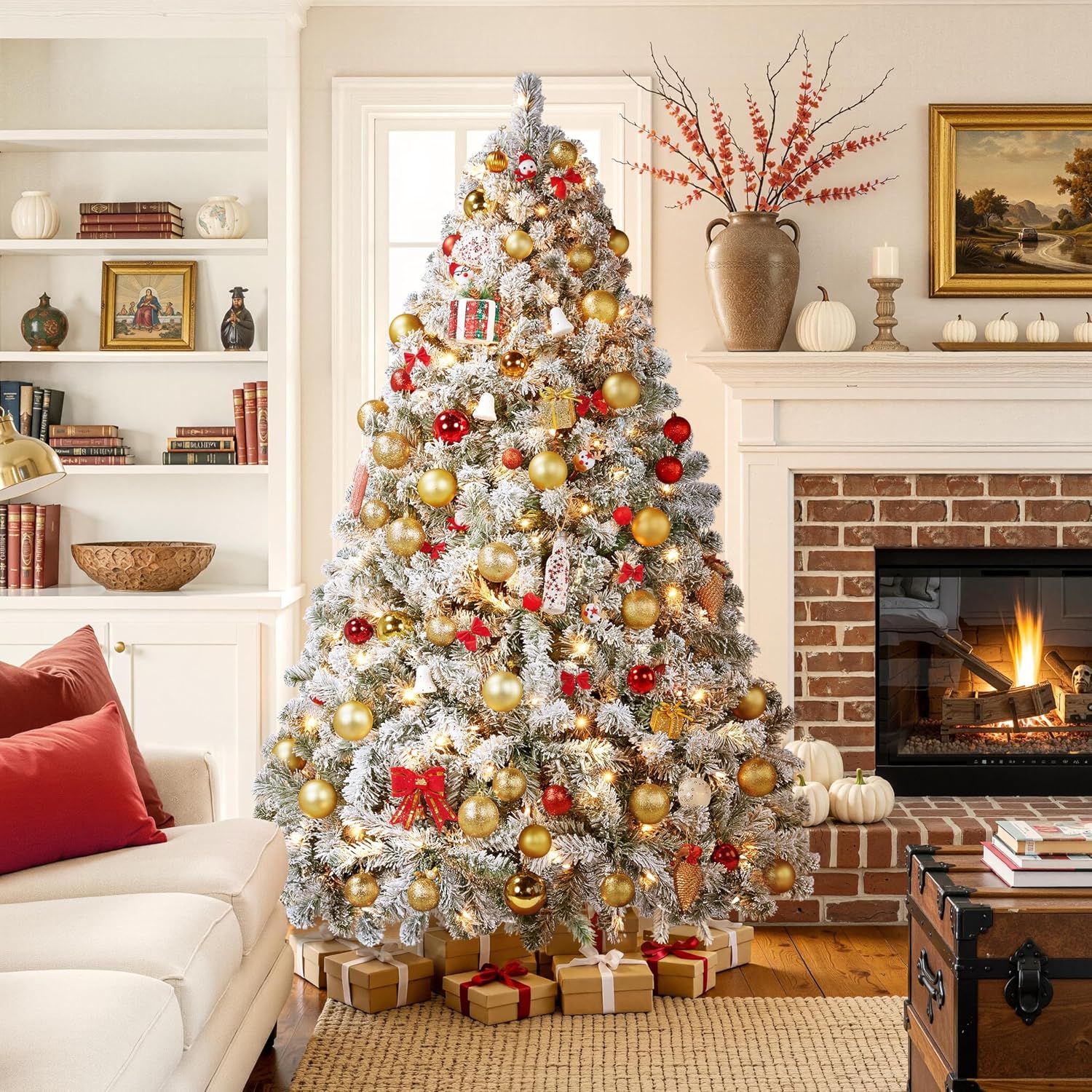
Yaheetech 6ft Pre-Lit Snow Flocked Christmas Tree
Snow-flocked tree with 250 warm white lights for a winter-wonderland look
$70 - $90