
Introduction
An artificial Christmas tree can create very different holiday looks depending on its finish. Some trees have green branches that resemble natural evergreens, while others feature a white, snow-covered appearance that brings a winter wonderland feel indoors.
These two popular styles are known as unflocked and flocked Christmas trees.
An unflocked tree has the traditional green appearance of an evergreen. A flocked tree has an artificial snow-like coating applied to some or all of its branches.
So, which should you choose?
An unflocked Christmas tree is usually the more versatile, traditional option, while a flocked tree is ideal if you want a snowy winter look. The right choice also depends on your decorating style, cleaning preferences, budget, and how you plan to store the tree after the holidays.
This guide compares flocked and unflocked artificial Christmas trees to help you choose the right style for your home.
Quick Answer: Flocked vs. Unflocked Christmas Trees
- Flocked trees: Best for a snowy, winter-inspired appearance. They can look especially attractive with white, silver, gold, or neutral decorations.
- Unflocked trees: Best for a classic green Christmas tree. They work with a wider range of decorating styles and may be easier to maintain.
- Partially flocked trees: Offer a lighter snow-covered effect while allowing more of the green foliage to remain visible.
Neither style is automatically better. Think about the atmosphere you want to create and how much maintenance you are comfortable with before deciding.
What Is a Flocked Christmas Tree?
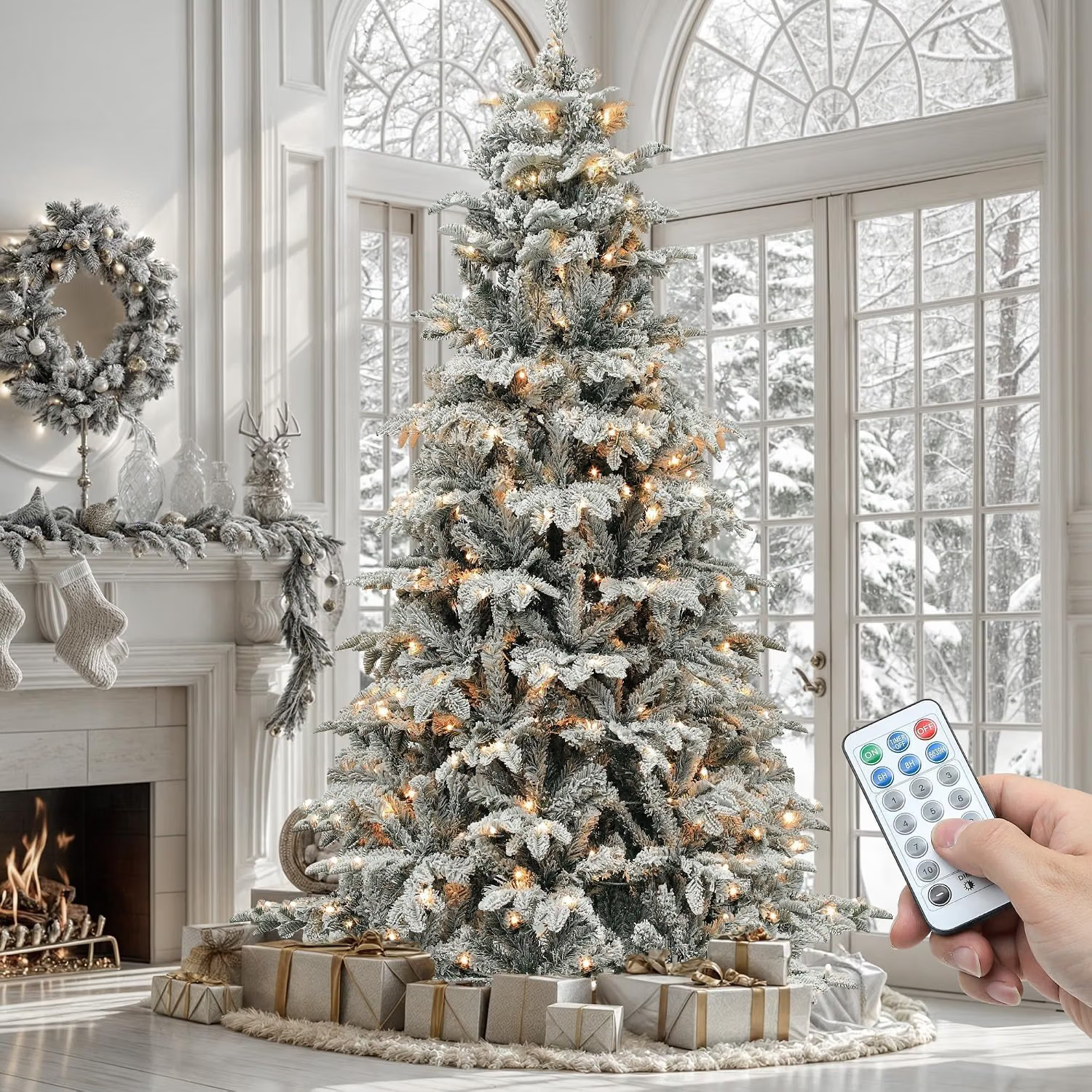
A flocked Christmas tree has a decorative coating designed to resemble snow on its branches. The coating is applied to the foliage to create a frosted or snow-covered effect.
Artificial flocking varies from product to product. Some trees have a light dusting on the tips, while others have a heavy white coating that covers much of the green foliage.
Types of Flocked Christmas Trees
Lightly flocked trees
These have a relatively subtle coating, often concentrated on the outer tips of the branches. They provide a frosty appearance without completely hiding the green foliage.
Heavily flocked trees
These have a thicker, more noticeable white coating. They create a stronger winter wonderland effect and can look striking in rooms decorated with white, silver, or other light colors.
Flocked trees with built-in lights
Some flocked trees come with pre-installed lighting. Depending on the design, the lights may be warm white, multicolor, or offer multiple settings.
When shopping, check the product listing for the type of flocking and lighting included. Not all flocked trees have the same coverage or features.
What Is an Unflocked Christmas Tree?
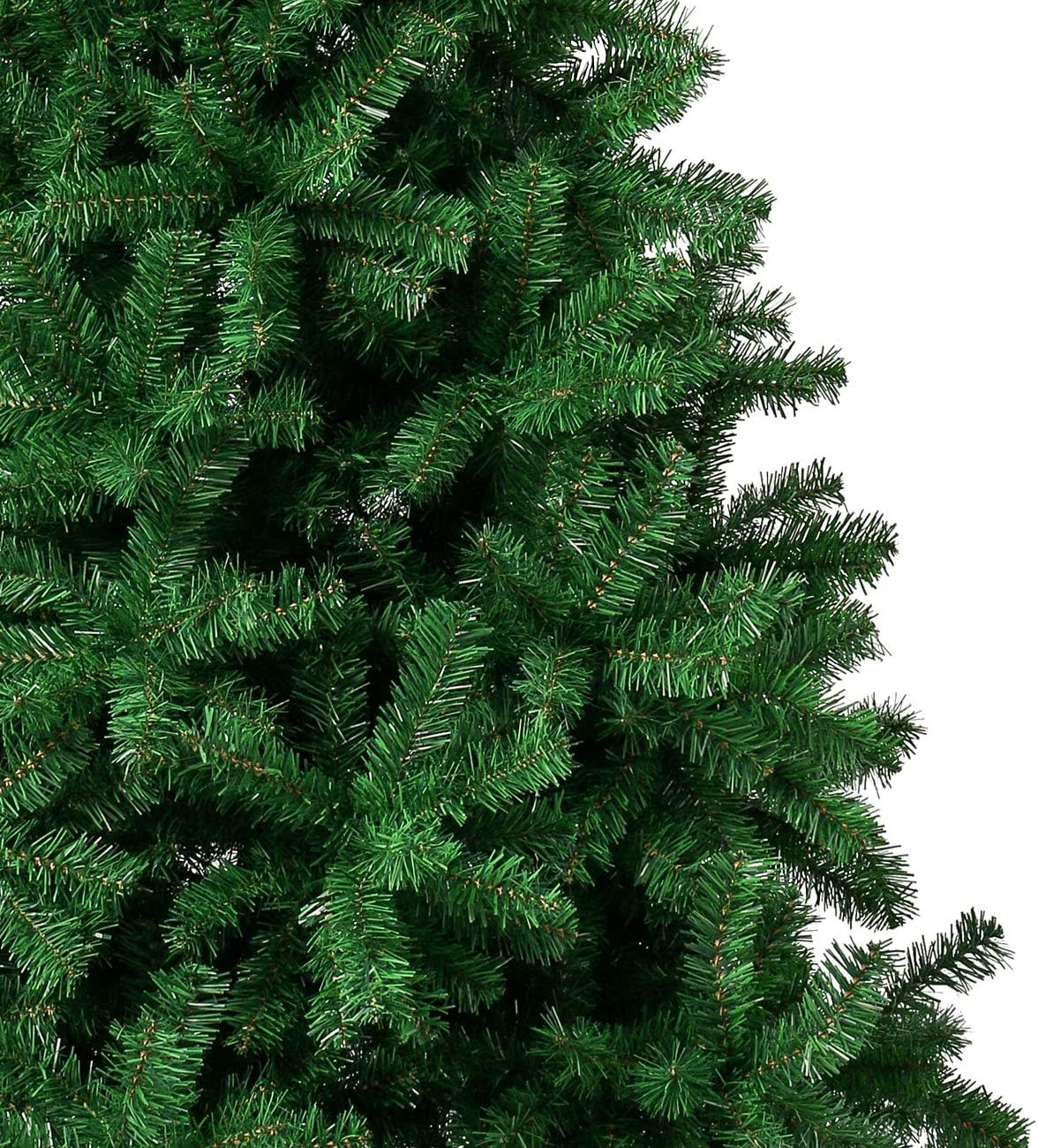
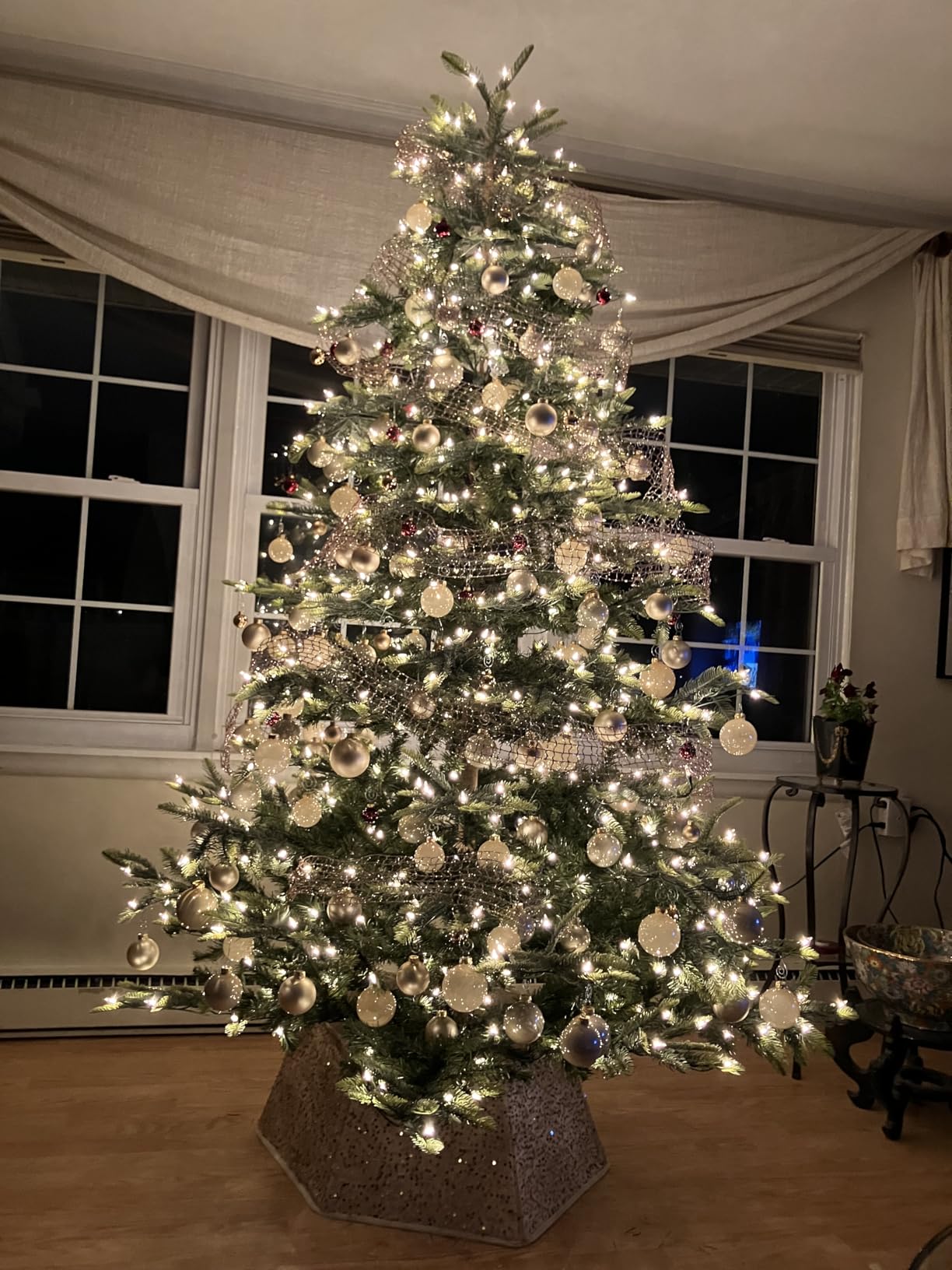
An unflocked Christmas tree has no artificial snow coating. Its branches retain their natural green appearance, although the exact shade and texture vary by design.
Unflocked trees are available in many styles, from traditional PVC trees to more realistic-looking PE and mixed-material models.
Advantages of Unflocked Trees
- Versatile decorating: Green foliage works with traditional red and gold ornaments, colorful decorations, rustic themes, and modern minimalist styles.
- A classic appearance: If you prefer the look of a traditional evergreen, an unflocked tree is a natural starting point.
- No flocking to shed: You don't have to deal with loose artificial snow coating in the same way you might with some flocked models.
- Easy seasonal restyling: Changing ornaments, ribbons, and lights can give the same green tree a completely different look from year to year.
Unflocked trees are not maintenance-free. They still need shaping, dusting when necessary, and careful storage. However, they avoid the additional considerations associated with a decorative flocking layer.
For a closer look at how foliage materials differ, see our guide to PVC vs. PE Christmas Trees.
Flocked vs. Unflocked Christmas Trees: Key Differences
| Feature | Flocked Christmas Trees | Unflocked Christmas Trees |
|---|---|---|
| Appearance | Snow-covered or frosted | Traditional green foliage |
| Decorating style | Winter wonderland, snowy, rustic, elegant | Traditional, colorful, modern, rustic, or minimalist |
| Visual effect | Strong seasonal statement | More versatile year to year |
| Cleaning | Flocking may shed and require extra care | No flocking residue to manage |
| Storage | Requires care to protect the coating | Usually simpler to handle |
| Maintenance | Depends on coating quality and shedding | Mainly shaping, dusting, and general care |
| Color coordination | Looks especially effective with selected palettes | Works with a broad range of colors |
| Best for | Shoppers who want a snowy appearance | Shoppers who prefer a classic, adaptable tree |
These are general differences. The amount of shedding, ease of cleaning, and storage requirements depend on the specific product and how it is handled.
Which Christmas Tree Looks Better?
The answer depends on the atmosphere you want in your home.
Choose a Flocked Tree for a Winter Wonderland Look
A flocked tree can create the impression of snow-covered branches without requiring a real outdoor evergreen.
It may suit your home if you like:
- White and silver decorations.
- A snowy, winter-inspired living room.
- Neutral ornaments with warm lighting.
- Rustic decorations using wood, natural textures, and soft fabrics.
- A tree that looks distinctive even with relatively few ornaments.
A flocked tree can also work as a visual centerpiece in a room with neutral furniture or winter-themed decorations.
However, heavy flocking can make the branches look quite different from a natural green tree. Before buying, examine several product photos to see whether you prefer a light frost or a more completely snow-covered finish.
Choose an Unflocked Tree for a Traditional Christmas Look
An unflocked tree is a good fit if you prefer green foliage and want flexibility in how you decorate.
It works well with:
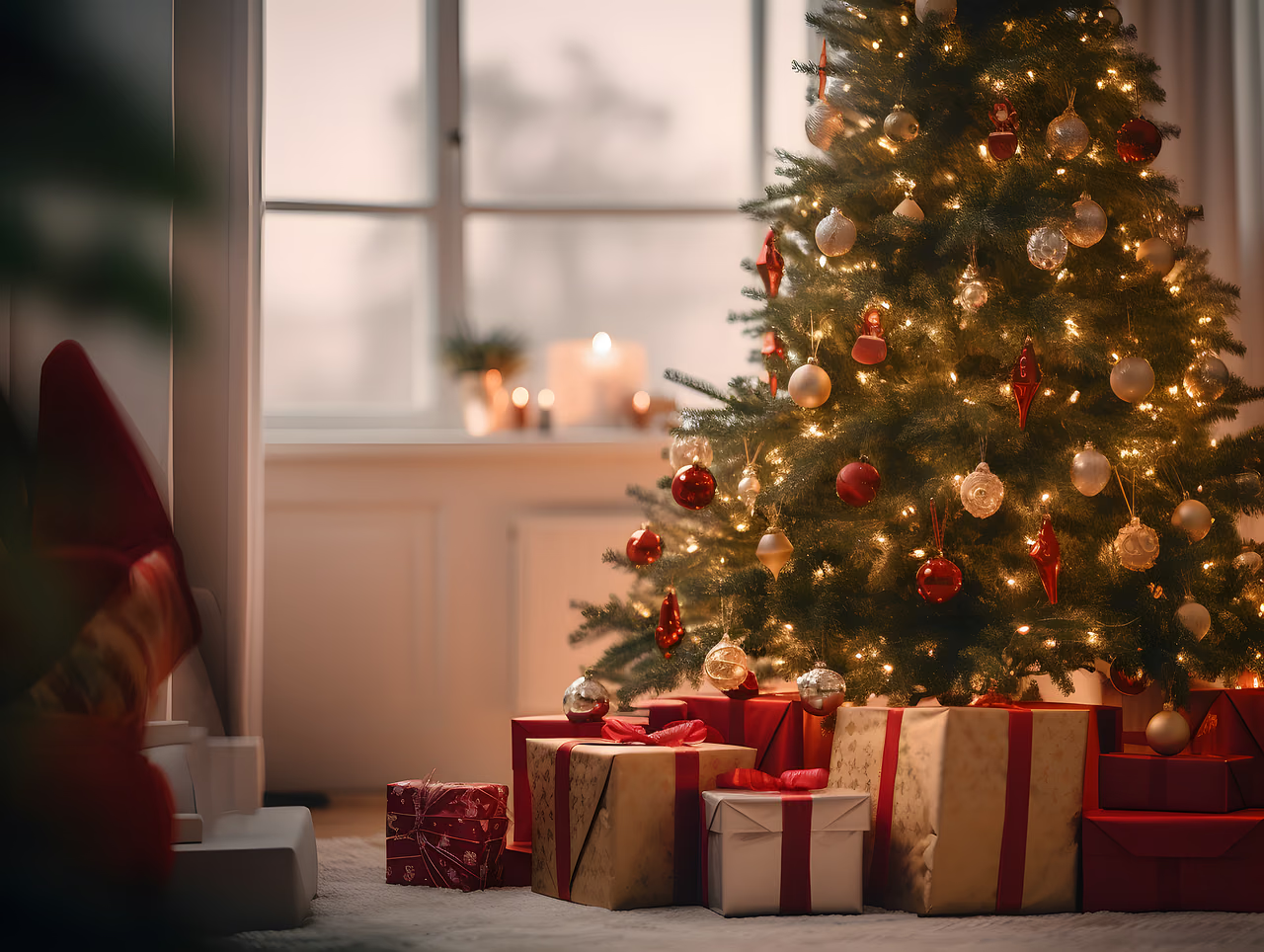
- Red and gold ornaments.
- Classic green and red holiday decorations.
- Multicolor lights.
- Natural wood ornaments and rustic accents.
- Changing color schemes from one year to the next.
An unflocked tree can also be decorated to create a winter look using white ornaments, silver ribbon, and warm white lights—without having a permanent snow coating.
If you are unsure which style you will enjoy for several holiday seasons, an unflocked tree may be the more adaptable option.
Are Flocked Christmas Trees Messier?
They can be, but the amount of mess depends on the product's construction, the condition of the coating, and how the tree is handled.
Flocking is a decorative material applied to the branches. Some products may shed small amounts of coating during unpacking, shaping, decorating, or storage.
This does not mean every flocked tree sheds heavily. Customer feedback and product construction can provide useful clues about what to expect from a particular model.
How to Reduce Flocking Mess
1. Shape the tree carefully
Open the branches gradually instead of pulling or rubbing the coated tips aggressively.
2. Prepare the area
If you are concerned about loose flocking, place a sheet or easy-to-clean covering under the tree while assembling it.
3. Avoid unnecessary handling
Once the tree is shaped and decorated, avoid repeatedly moving or squeezing the branches.
4. Follow the manufacturer's instructions
Use the cleaning and storage recommendations supplied with the product. Avoid using cleaning methods that could damage the coating or the lighting system.
5. Check customer feedback
Look for repeated comments about shedding during setup and use. A few isolated reviews may not represent the typical experience, but recurring reports deserve attention.
If you prefer to minimize loose decorative material in your home, an unflocked tree is generally the simpler option.
Which Tree Is Easier to Clean and Store?
Both styles need proper care, but flocked trees require additional attention to the snow-like coating.
Cleaning an Unflocked Tree
For routine care, gently remove dust from the foliage when needed. Avoid harsh cleaning chemicals or excessive moisture unless the manufacturer specifically recommends them.
Before storing the tree, let it remain clean and dry. Compressing the branches carefully can make it easier to place the tree in its storage bag or box.
Cleaning a Flocked Tree
Flocked trees require a more cautious approach because aggressive cleaning can remove or damage the coating.
Use gentle handling and follow the manufacturer's instructions. Avoid scrubbing the branches or applying water and cleaning products unless they are specifically approved for that tree.
Storing a Flocked Tree
Storage is particularly important if you want to preserve the appearance of the flocking.
- Allow the tree to be ready for storage according to the manufacturer's care instructions.
- Avoid crushing the branches more than necessary.
- Use an appropriately sized storage container or bag.
- Keep the tree in a dry location.
- Handle the branches carefully when unpacking the tree next season.
A storage bag designed for artificial Christmas trees may be helpful, but make sure it accommodates the tree's size and shape without excessive compression.
Do Flocked Trees Cost More Than Unflocked Trees?
Not always, but flocking can affect the price.
The total cost depends on more than whether a tree has a snow coating. Height, foliage materials, branch density, pre-installed lights, brand, and construction quality all contribute to the price.
For example, a small flocked tree may cost less than a large unflocked tree. A heavily flocked, pre-lit tree may cost more than a basic unlit green tree of a similar height.
When comparing prices, make sure you are comparing similar products.
Check:
- Tree height and width.
- PVC, PE, or mixed foliage construction.
- Amount of flocking.
- Whether lights are included.
- Lighting modes and replacement considerations.
- Stand design and assembly features.
- Warranty coverage.
Don't pay more for flocking unless you genuinely prefer the snowy appearance it creates.
How to Decorate a Flocked Christmas Tree
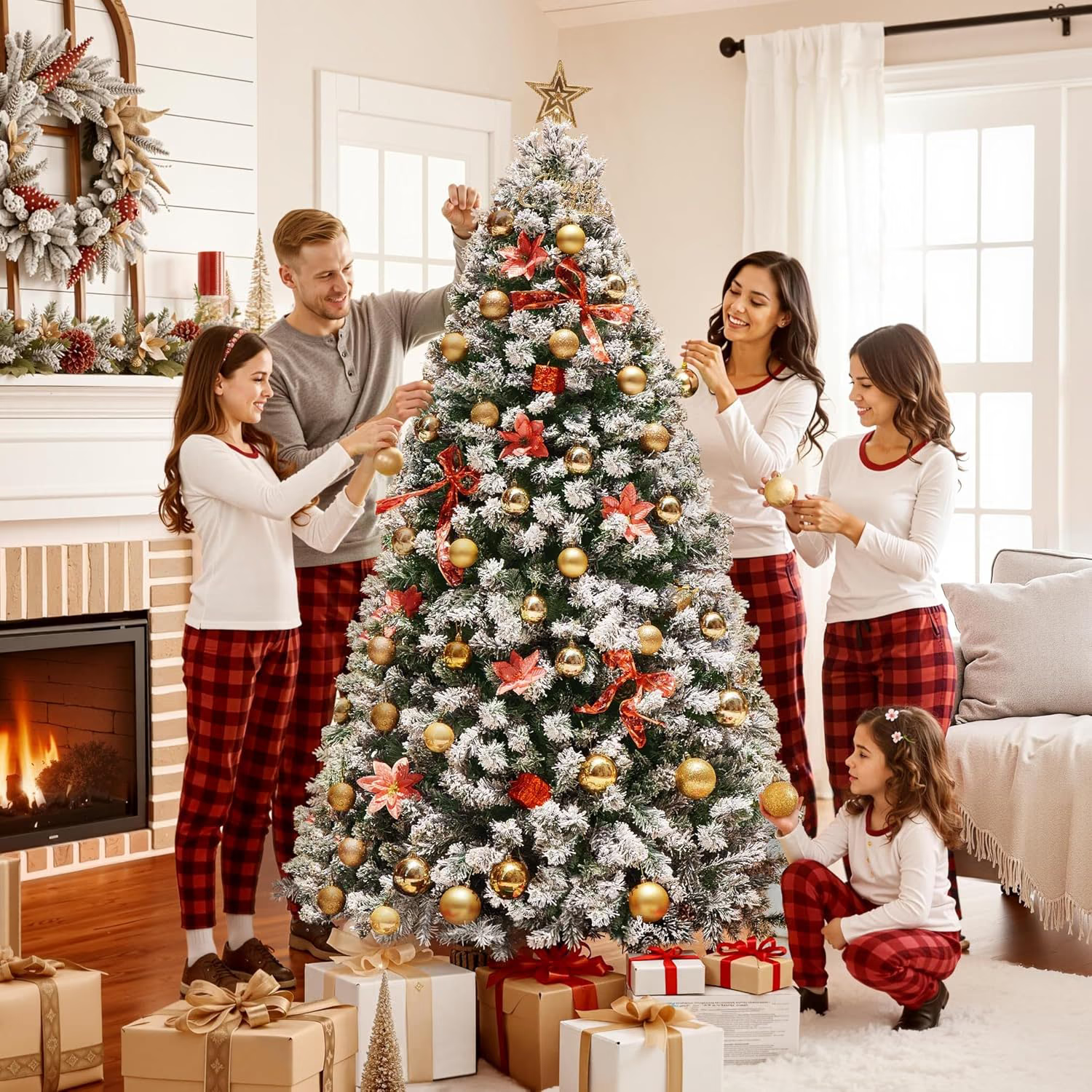
Flocked trees can look beautiful with relatively simple decorations. Because the white coating already creates visual interest, you do not necessarily need to cover every branch with ornaments.
White and Silver
White and silver ornaments complement the snowy appearance and create a coordinated winter theme. Use different textures to prevent the decorations from blending into one another.
Gold and Warm White
Gold ornaments and warm white lights can create a softer, more traditional atmosphere. This combination works particularly well if you want a cozy rather than icy appearance.
Natural and Rustic
Wooden ornaments, neutral ribbons, and natural-looking decorative accents can complement the snow-covered branches. Keep the overall palette consistent for a balanced look.
Red and Green
Classic red ornaments can stand out against the white flocking. If the green foliage remains visible beneath the coating, red decorations can help connect the snowy appearance with traditional Christmas colors.
Keep the Lights in Mind
Some flocked trees come pre-lit, while others are unlit. If you buy an unlit tree, choose lights that suit the style and check the manufacturer's guidance for safe use.
For more detailed decorating instructions, see our guide to How to Decorate an Artificial Christmas Tree.
What About Partially Flocked Christmas Trees?
A partially flocked tree can be a useful middle ground if you like the look of snow but don't want a heavily white appearance.
Depending on the design, the coating may be concentrated on the tips or outer surfaces of the branches. This can leave more green foliage visible while still creating a frosted effect.
Consider a partially flocked tree if you:
- Want a subtle winter look.
- Prefer to keep some green foliage visible.
- Want white accents without a heavily snow-covered appearance.
- Plan to use a mix of traditional and winter-themed ornaments.
Check the product photos carefully. Terms such as "flocked," "snow flocked," and "frosted" are not always used consistently across retailers, so the actual images and specifications are important.
Product Example: A Pre-Lit Snow-Flocked Tree
If you are interested in a snowy appearance with built-in lighting, our Yaheetech 6-Foot Pre-Lit Snow-Flocked Artificial Christmas Tree is one option to examine.
The listed model features a flocked finish and 250 warm white incandescent lights. The product family is offered in multiple heights, so confirm the size, lighting details, and current availability on the retailer's listing before purchasing.
This type of tree may appeal to shoppers who want the snow-covered look without having to install a separate string of lights.
Remember that flocking coverage, appearance, and shedding can vary between products. Review the available photos and customer feedback to decide whether the specific design matches your expectations.
How to Choose Between Flocked and Unflocked Trees
Use this simple decision process to narrow down your options.
Choose flocked if:
- You love the look of snow-covered branches.
- You want a winter-themed centerpiece.
- You have a decorating palette that complements white foliage.
- You are comfortable taking extra care during handling and storage.
Choose unflocked if:
- You prefer the classic green Christmas tree.
- You want maximum flexibility when changing decorations.
- You would rather avoid flocking residue.
- You want a tree that can suit many different decorating styles over time.
Consider a lightly flocked tree if:
- You like a subtle frosted appearance.
- You want some green foliage to remain visible.
- You are looking for a compromise between the two styles.
Before you decide, also consider the tree's size, branch shape, foliage material, lighting, and storage space.
Our Complete Guide to Choosing an Artificial Christmas Tree covers these factors in more detail.
Frequently Asked Questions
Does flocking fall off artificial Christmas trees?
Some flocked trees may shed small amounts of coating, particularly during unpacking, shaping, and storage. The amount varies by product and handling. Check customer feedback for recurring reports of excessive shedding.
Are flocked Christmas trees harder to maintain?
They can require more careful handling because the decorative coating may be damaged by aggressive cleaning or compression. Follow the manufacturer's instructions and store the tree carefully.
Can you decorate a flocked Christmas tree with any color?
You can use a wide range of colors. White, silver, gold, red, and natural tones are popular options, but the best palette depends on the effect you want to create.
Are flocked trees suitable for small rooms?
Yes. Flocking does not determine the tree's size. For a small room, pay attention to both height and width. A narrow or pencil-style tree may save floor space, regardless of whether it is flocked.
Do flocked Christmas trees look realistic?
They can create a convincing snowy effect, but realism depends on the branch shape, foliage construction, flocking coverage, and overall design. Some products look more natural than others.
Is an unflocked tree better for long-term use?
Not necessarily. The lifespan of either style depends on its construction, storage, and care. An unflocked tree avoids concerns about preserving a snow coating, but you should still evaluate the stand, branches, lighting, and warranty.
Final Thoughts
Flocked and unflocked Christmas trees serve different decorating preferences.
A flocked tree offers a snowy, winter-inspired appearance that can make a room feel distinctive and seasonal. An unflocked tree provides the classic green look and greater flexibility for changing decorations from year to year.
If appearance is your top priority, choose the style you genuinely enjoy looking at. If ease of maintenance and versatility matter more, an unflocked tree may be a better fit.
Compare the full product specifications rather than choosing by finish alone. The right height, width, foliage quality, lighting, and construction are just as important as whether the branches look snowy or green.
Related Products
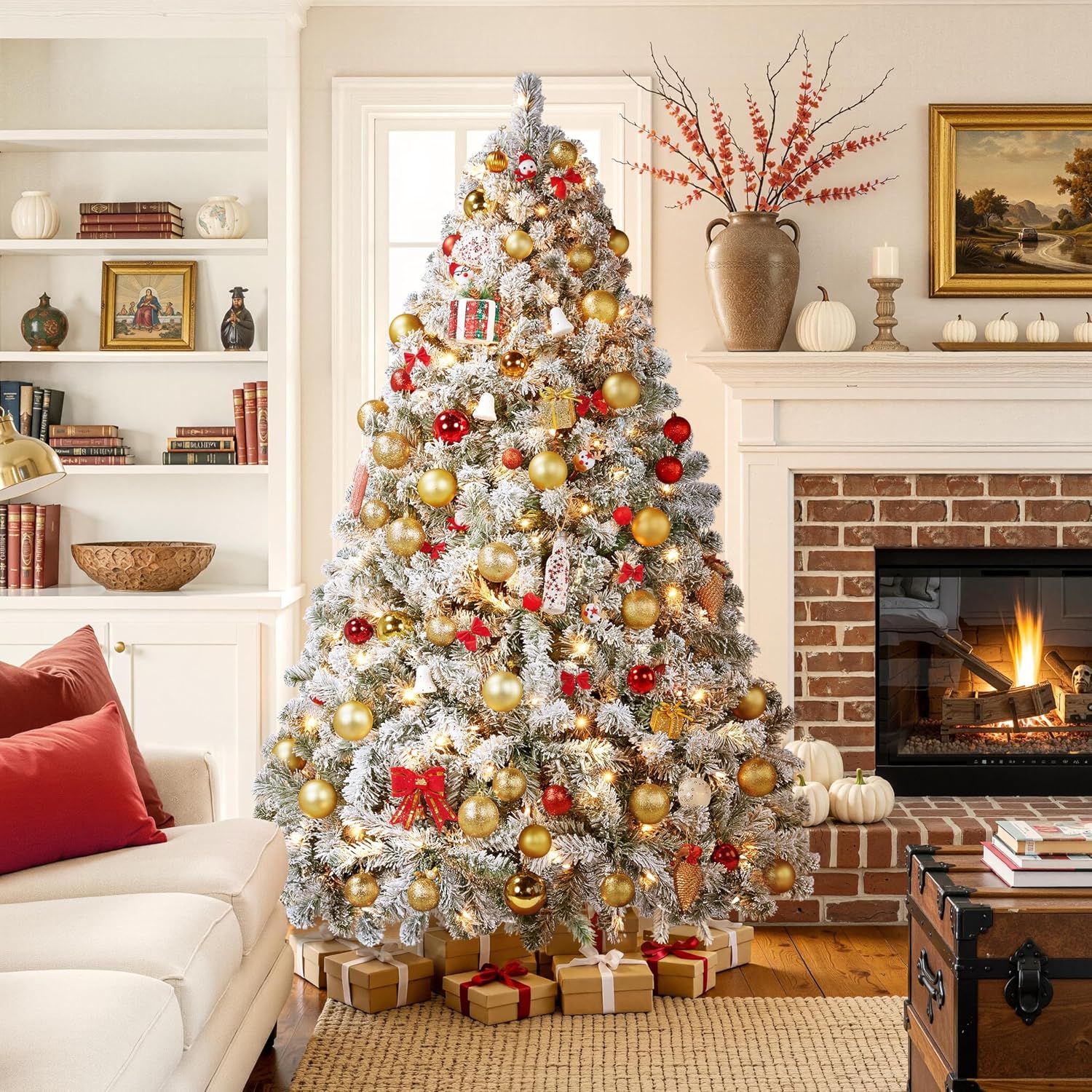
Yaheetech 6ft Pre-Lit Snow Flocked Tree
Snow-flocked 6-foot tree with 820 branch tips and 250 pre-strung warm white lights
$70 - $90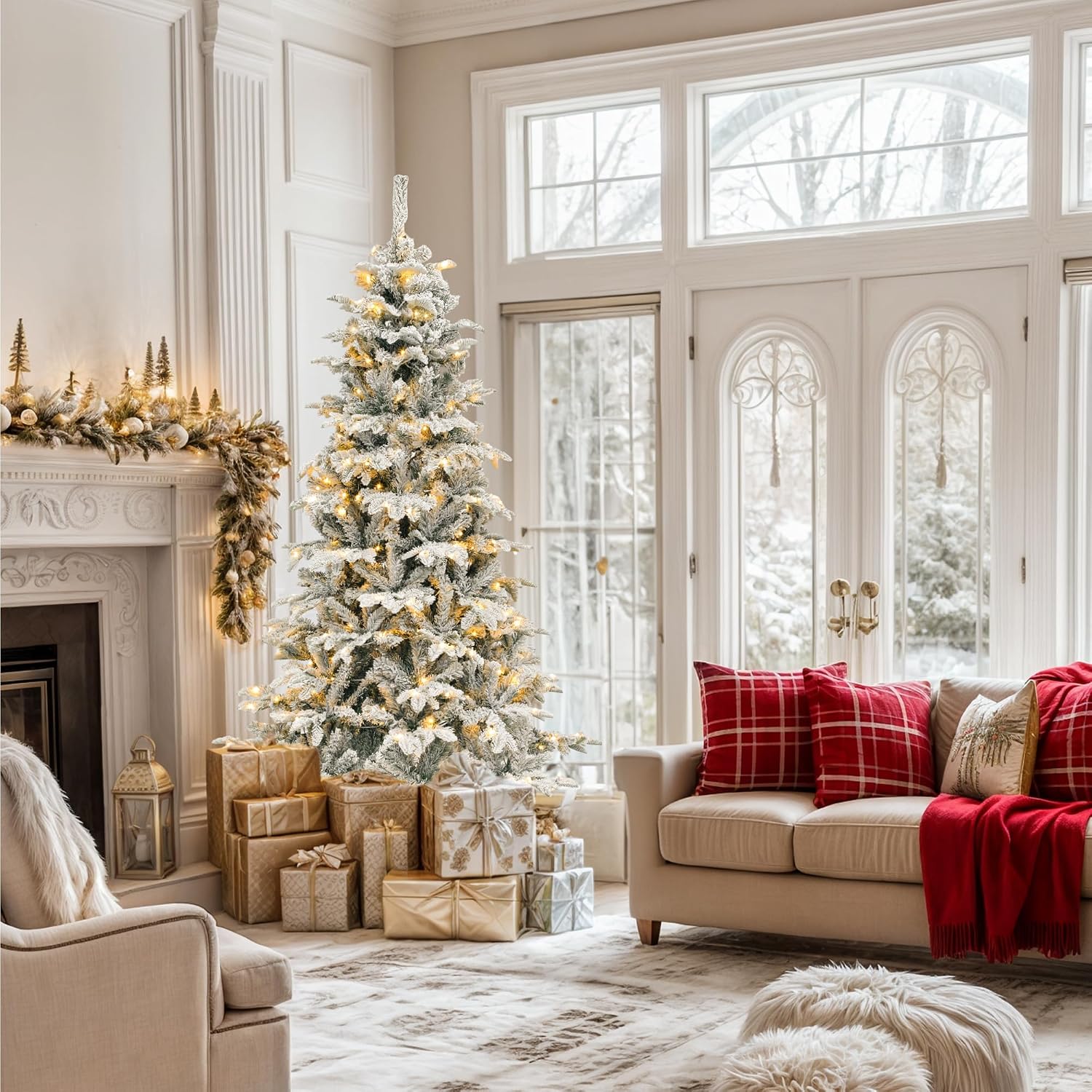
YITAHOME 7.5ft Layered Flocked Christmas Tree
Mixed PE/PVC layered flocked tree with pre-lit branches and remote control
$130 - $155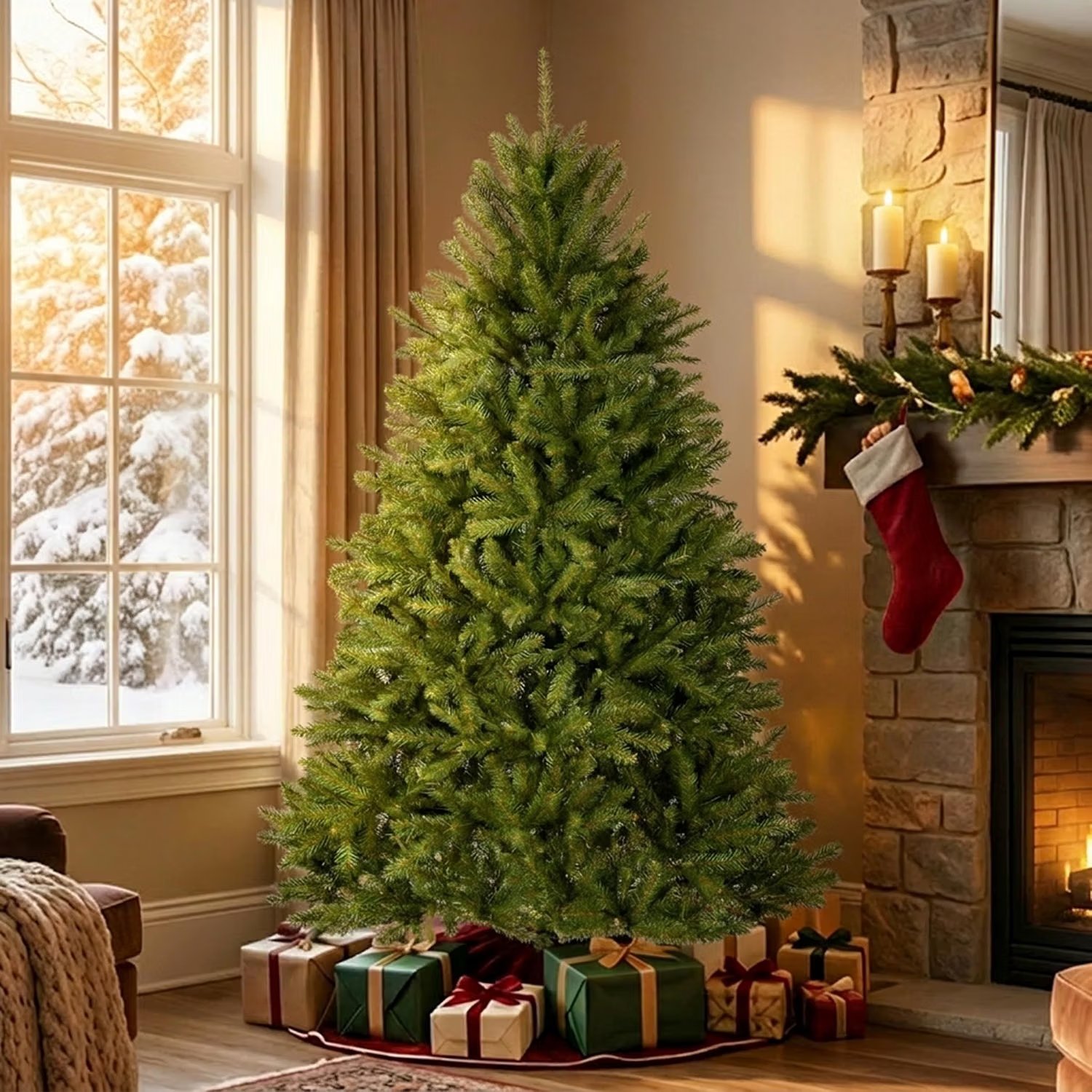
National Tree Company 6ft Unlit Dunhill Fir
6-foot unflocked green fir with PVC branch tips and hinged branch construction
$100 - $150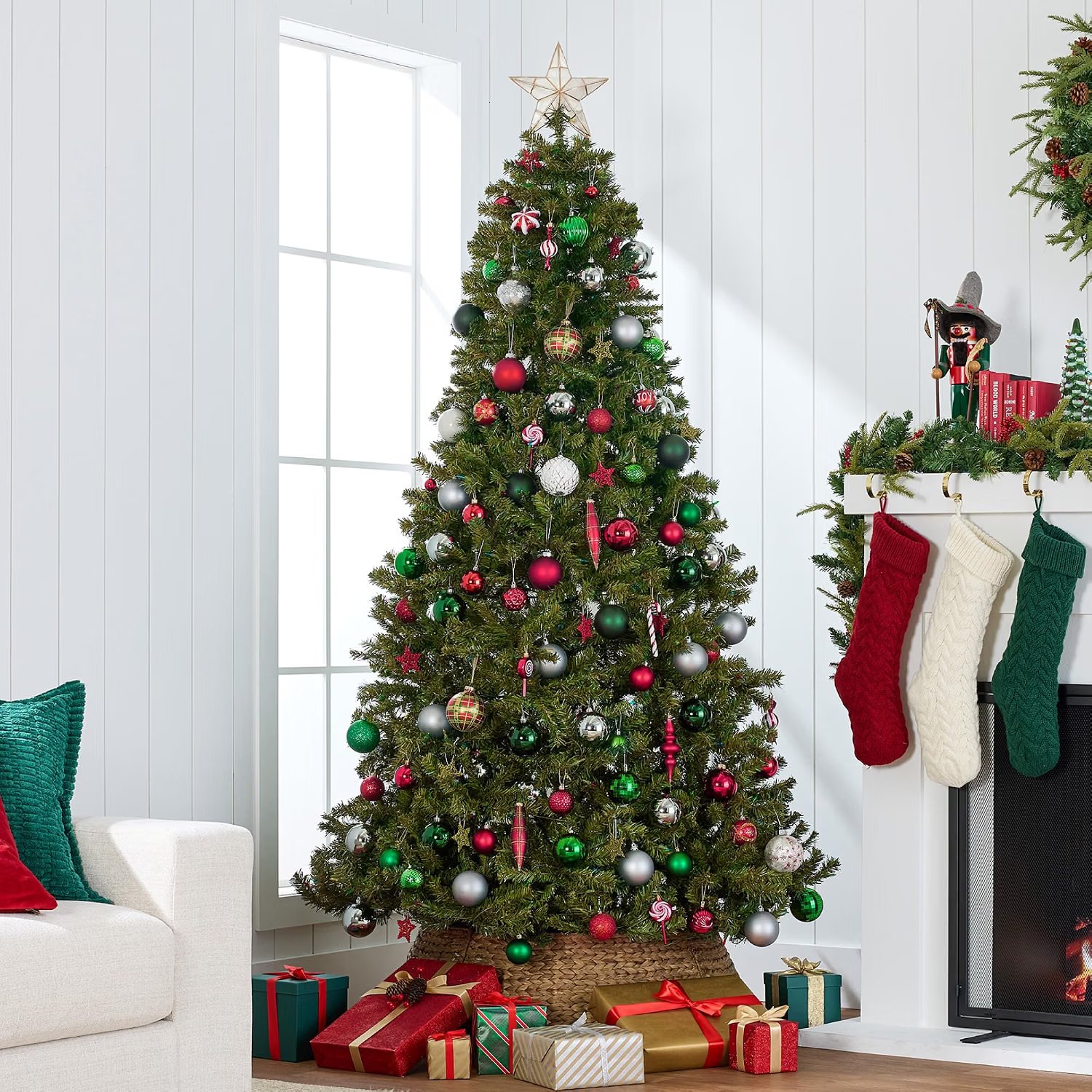
Best Choice Products 7.5ft Unlit Spruce
7.5-foot unflocked spruce that keeps a full-size tree within a budget-friendly price range
$75 - $100